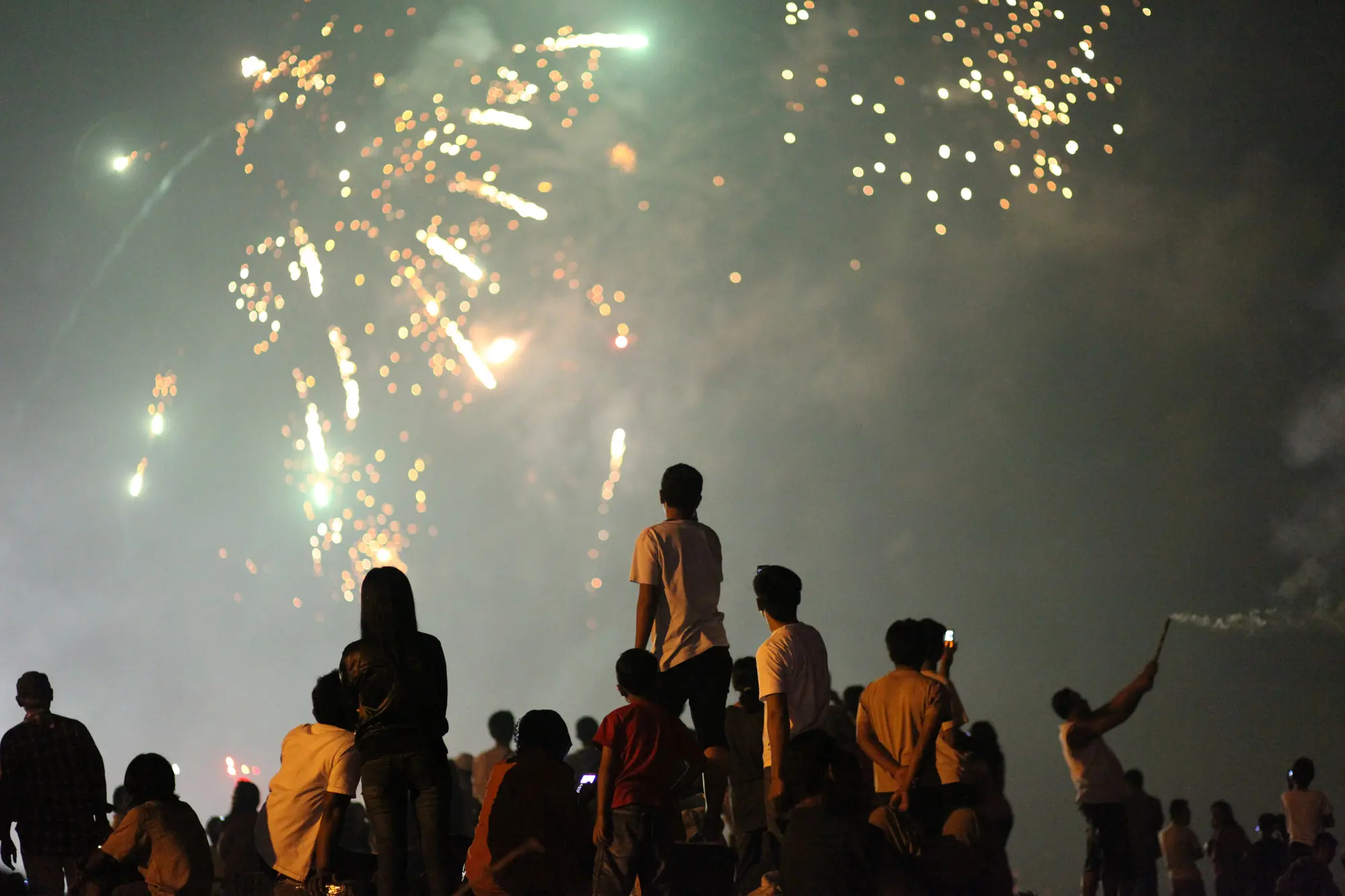
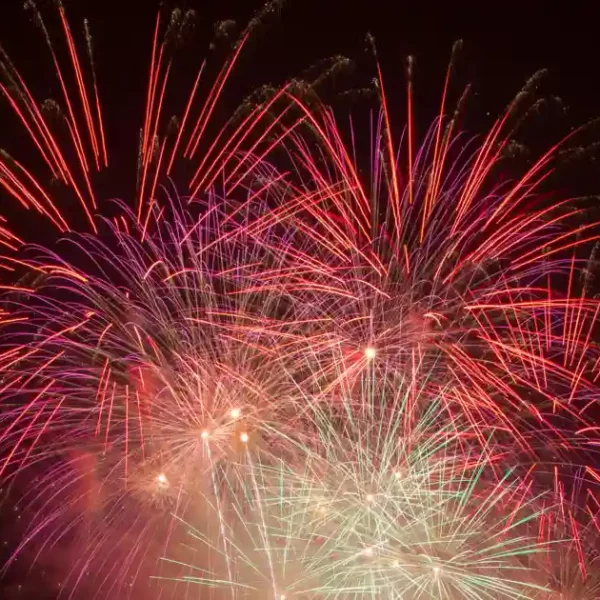
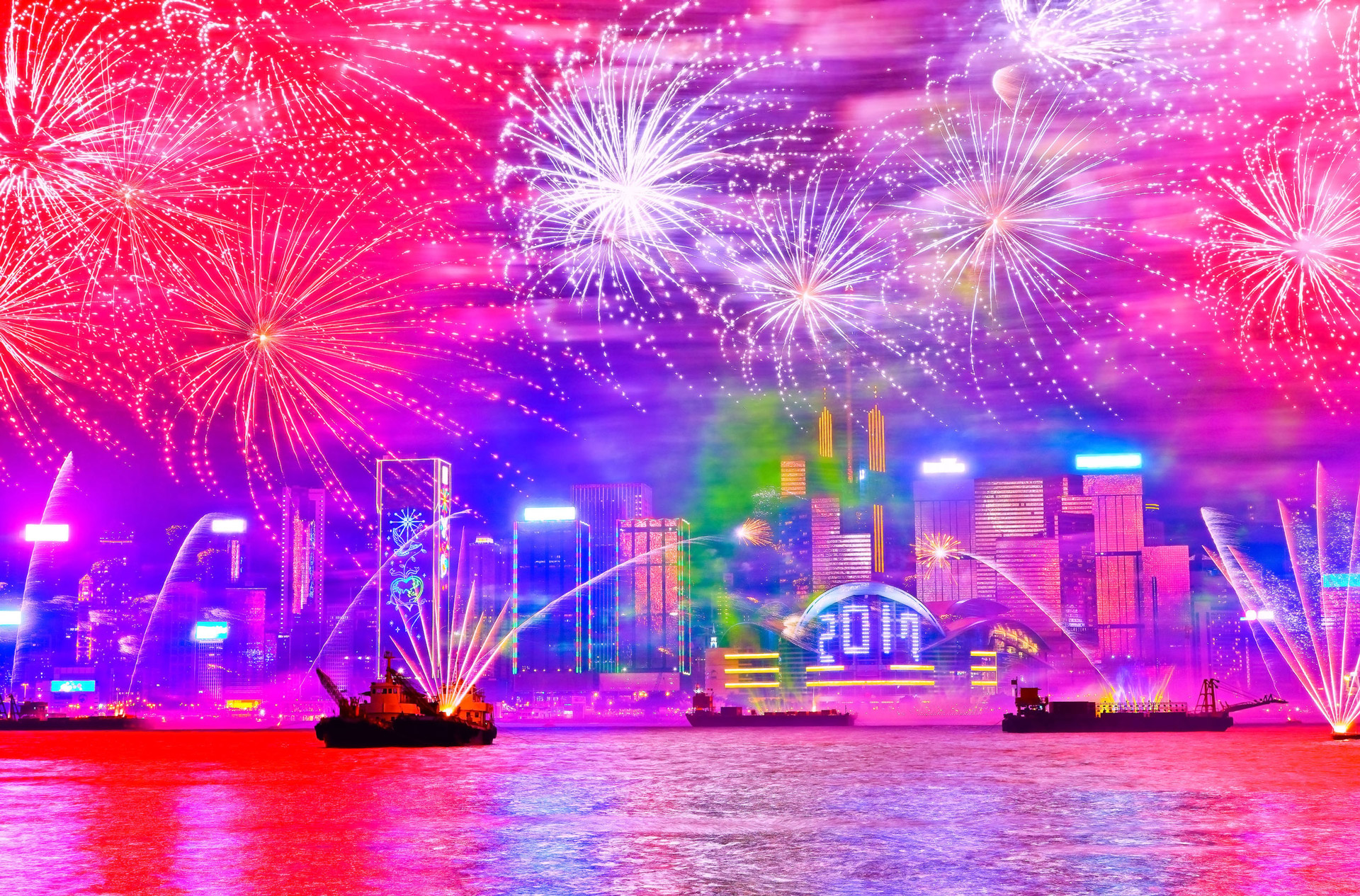
Fireworks are a big part of many British festivities. We don’t just have big displays on New Year’s Eve but also during Bonfire Night and private parties from birthdays to weddings. But what are the fireworks laws like around the world? Are they illegal?
What are firework laws in the UK?
Before we check out the different firework laws around the world, it’s a good idea to remind ourselves that firework laws exist here in Britain as well. While fireworks are a big part of our celebrations, you can’t just set up a display whenever you want.
First, fireworks cannot be sold or handled in public by anyone under the age of 18. Furthermore, the fireworks on sale fall under three separate categories with their own specific rules. These are:
- Category 1 fireworks are indoor fireworks that can be used in restricted areas.
- Category 2 fireworks require an 8-metre viewing distance.
- Category 3 fireworks require a 25-metre viewing distance.
Professional firework experts can also get their hands on Category 4 fireworks – these are often used in professional displays. For this, you need to have trained under the British Pyrotechnists Association and its programs.
There are also restrictions on the use of fireworks in the UK. Fireworks are not allowed to be set off between 11 pm and 7 am. However, you can use fireworks until midnight on bonfire night and 1 am on the following days:
- Chinese New Year
- Diwali
- New Year’s Eve
Overall, in the UK you are allowed to enjoy and set off fireworks freely across the country. Meaning you can add firework displays to private events like birthday parties and even on your wedding day!
In which countries are fireworks illegal?
Firework laws vary significantly around the world, with some countries implementing stricter regulations or outright ban of sale and use.
There are only 2 countries where fireworks are illegal or heavily restricted, which are:
- Ireland – Fireworks are illegal for personal use. Only licensed professions are allowed to use fireworks, and they must have specific permits. Read more here about Ireland firework laws.
- Chile – Similar to Ireland, the sale and possession of fireworks is also illegal for Chile citizens , and public displays must be used by licensed professionals.
European Union Firework Laws
Within the European Union , fireworks are classified into 4 categories, with minimal ages set for the use of each:
- Cat F1 fireworks are fireworks which pose little danger, intended for use in closed spaces such as sparklers. Children over 12 years old can use these fireworks.
- Cat F2 fireworks are intended for use outside residential buildings and people aged 16 years over can use these.
- Cat F3 fireworks are fireworks which pose ‘average’ danger and are intended to be used outside in large open space. People aged 18+ can use F3.
- Cat F4 fireworks are fireworks which pose ‘grave’ danger and must only be used by licensed professionals.
Aswell as classifying fireworks into differentcategories, in the EU, fireworks are generally only allowed for public use only during specific times such as New Year’s Eve.
Furthermore, the EU has strict safety rules for making and labelling fireworks, in order to prevent accidents. Fireworks must pass thorough tests and come with clear safety instructions.
Here are a few examples of the firework laws in different European countries:
- Germany allows fireworks for sale in the three days prior to New Year’s Eve.
- Finland allows the sale of fireworks between Christmas and New Year’s Eve but you can only use them from 6 pm to 2 am on New Year’s Eve.
Firework Laws in the USA
In the United States, firework laws differ from state to state and even city to city. Federal rules ban some fireworks like rockets but will allow use of sparklers.
Each state has its own rules: some allow a wide variety of fireworks, while others only permit sparklers or ban all consumer fireworks. States also set specific rules for selling, owning, and using fireworks, often restricting their use to certain times of the year or requiring permits. Penalties for breaking these laws can vary, with some places imposing significant fines or legal consequences.
As of 2024, Massachusetts is the only state where it’s illegal to sell, use and possess fireworks of any kind as a citizen.
Asia Firework Regulations
Fireworks are a big part of many Asian festivals and celebrations, but how they are regulated varies from country to country. Fireworks are important for celebrations like Diwali in Indian and Lunar New Year in China.
Here are some basic firework laws for the following countries:
- China – In China, the use of fireworks is generally restricted in urban areas due safety concerns and air pollution. Local governments implement specific bans and regulations.
- Japan – Fireworks are legal in Japan but are heavily regulated; they are typically only permitted during traditional festivals and public displays, with strict rules on their use and safety measures.
- India – In India, fireworks are restricted in many cities due to environmental and safety issues, with regulations varying by state and local authorities enforcing limits on their sale and use, especially during festivals.